Intra-aortic balloon pump
Temporary mechanical support for the heart
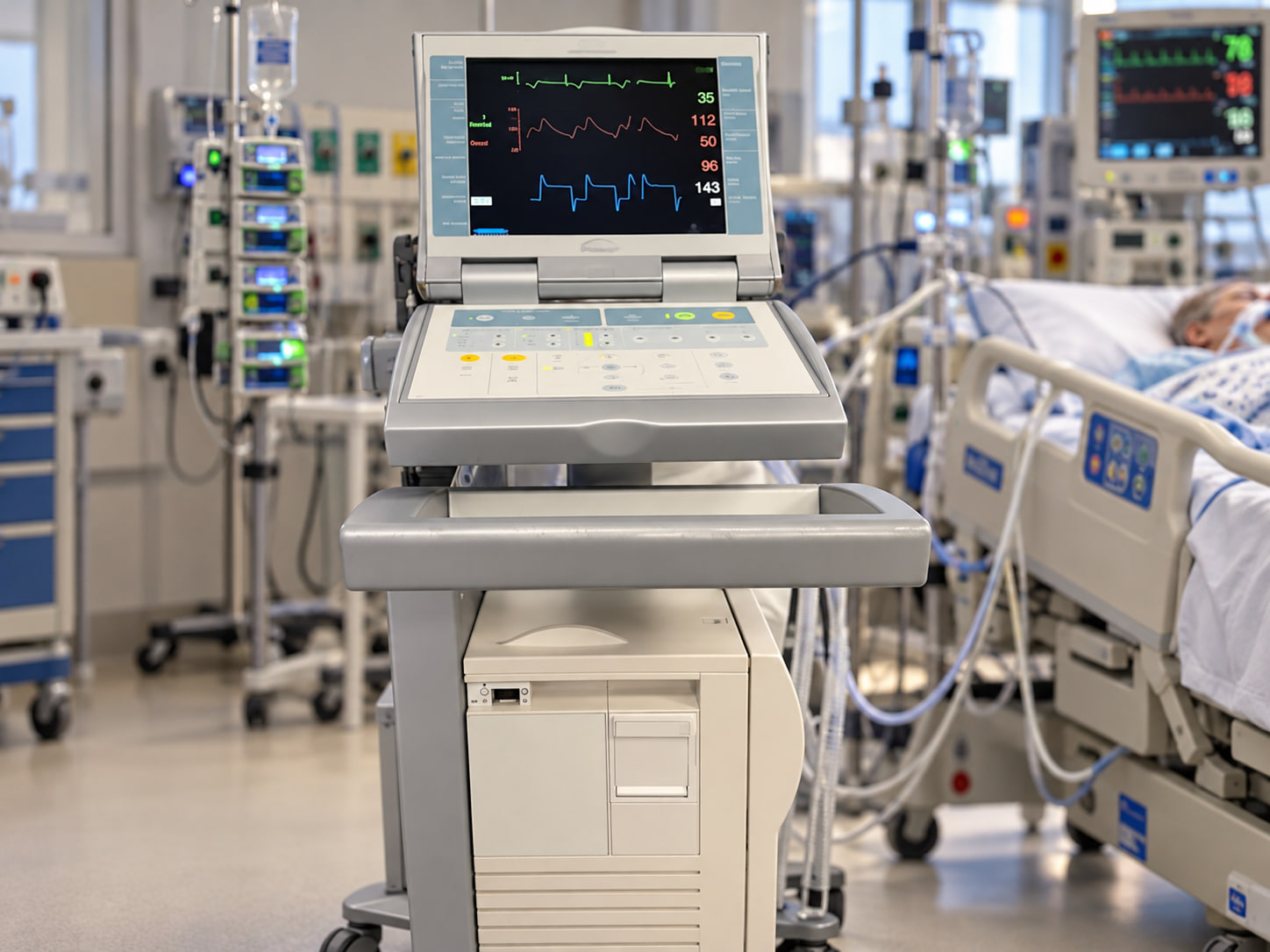
What is it, and what does it do?
An intra-aortic balloon pump, or IABP, uses a thin balloon inside the aorta, the body's main artery. It inflates and deflates with the heartbeat to improve blood flow to the heart and help reduce the heart's workload.
Why might someone need it?
- The heart is not pumping enough blood in certain forms of cardiogenic shock.
- Temporary support around selected heart procedures or after cardiac events.
- The team needs short-term circulatory assistance while assessing recovery or next steps.
What might families notice?
- A console connected to a catheter, commonly placed through an artery in the leg.
- Continuous heart and blood-pressure monitoring.
- Possible restrictions on bending or moving the leg with the catheter.
What does it mean for my loved one?
An IABP gives assistance but does not replace all the heart's work. Its presence alone cannot tell you whether the heart will recover. Ask what change the team hopes it will support.
What to look for: common versions and parts
The balloon itself is inside the aorta and cannot be seen at bedside.
The external console times inflation and deflation to the heartbeat.
A catheter often enters via the femoral artery; insertion sites and models can vary.
Descriptions are for recognition only. They do not identify or verify a particular patient's equipment.
For safety at the bedside
Do not touch the pump, catheter or tubing. Ask before helping the person change position because movement may be restricted.
Questions you can ask the ICU team
- What condition is the pump treating?
- What signs show whether the heart is improving?
- What are the next options if the pump is no longer needed or is not enough?
Written from patient-education references. Content and images clinically reviewed by an advanced practice nurse, October 2026. Educational content may be updated as guidance changes.
Cleveland Clinic: Intra-aortic balloon pumpCarePath provides general educational information and does not replace advice or decisions from your healthcare team. Legal & Educational Disclaimer
General education only. Equipment, medications, alarms and care plans differ from patient to patient. Never adjust or disconnect equipment. The treating team can explain the specific situation.