
Clarity, when it matters most.
When someone you love is seriously ill or approaching the end of life, knowing what to ask and where to turn can make a difficult moment a little easier to navigate.
We're not here to make decisions for your family. We're here to help you understand them.
By PairaDoc TechnologiesCarePath provides general educational information and does not replace advice or decisions from your healthcare team. Read the full disclaimer
How can we help your family today?
We'll help you find the right information, one step at a time.
Anonymous educational navigation. No patient details, account or records required.
What am I seeing in the ICU?
Explore 21 common devices and treatments. Tap a card for an easy-to-follow guide with what it does, why it is used, safety notes and questions to ask. Most images are AI-generated educational illustrations, not photographs of a specific model.
Showing 21 of 21 educational guides
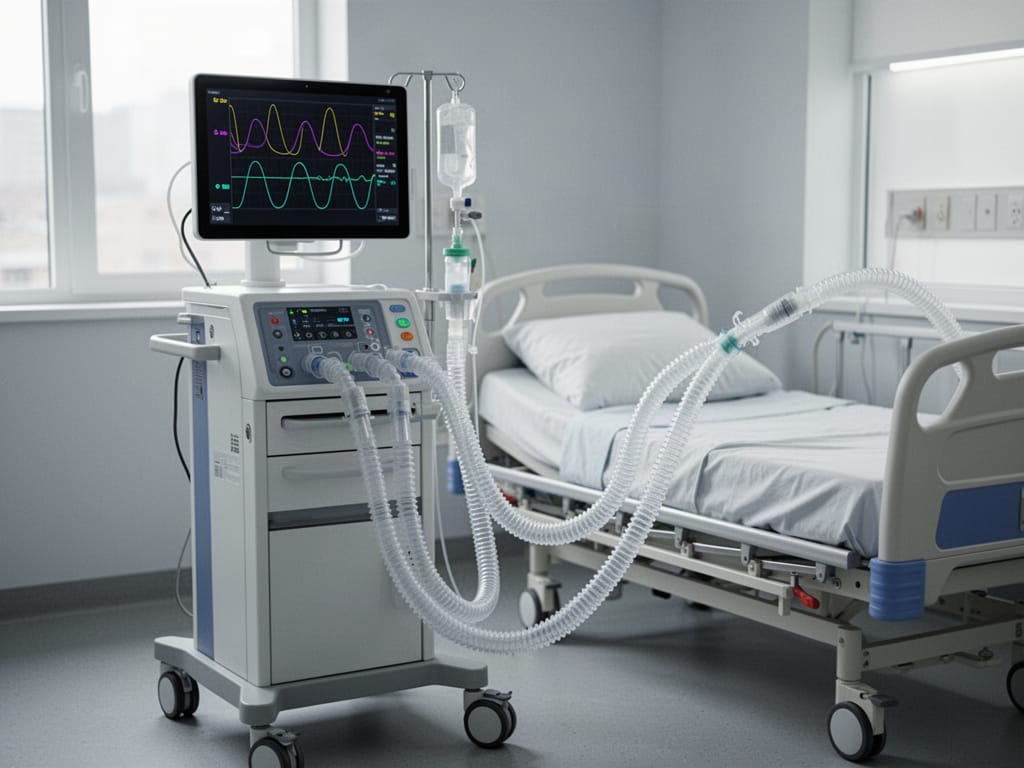 VentilatorA machine that supports breathingOpen full guide
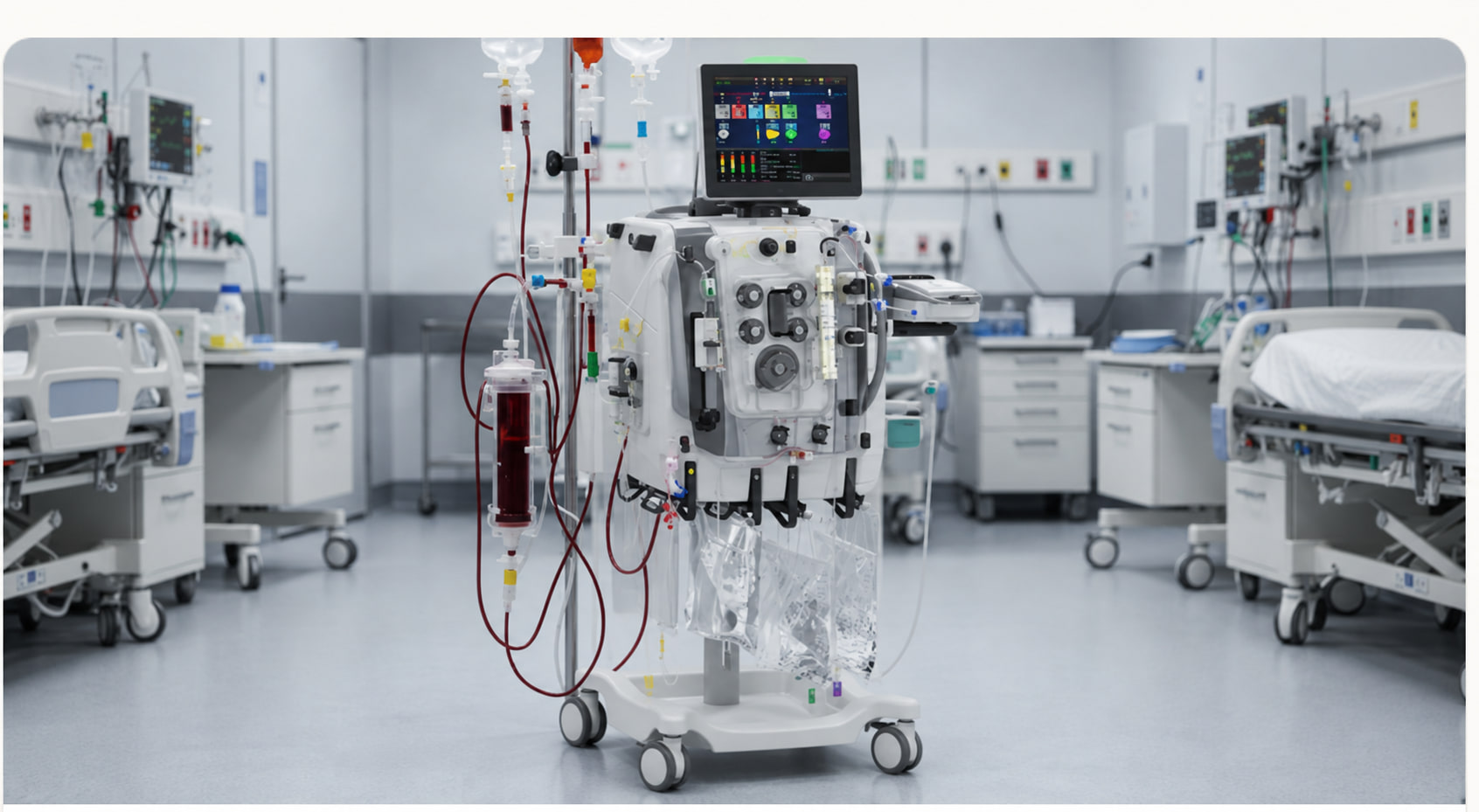 Dialysis / CRRTA treatment that filters blood when kidneys need helpOpen full guide
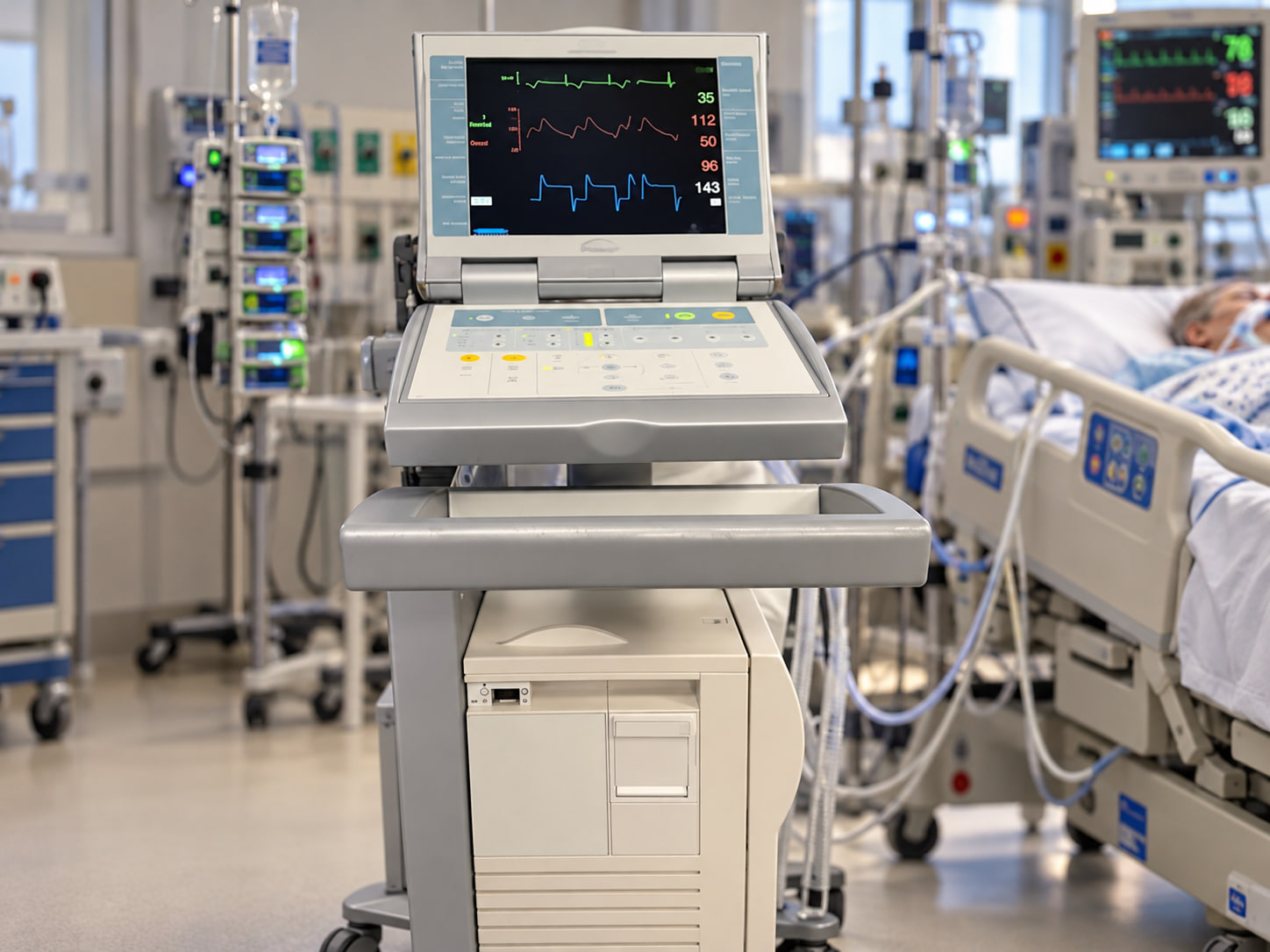 Intra-aortic balloon pumpTemporary mechanical support for the heartOpen full guide
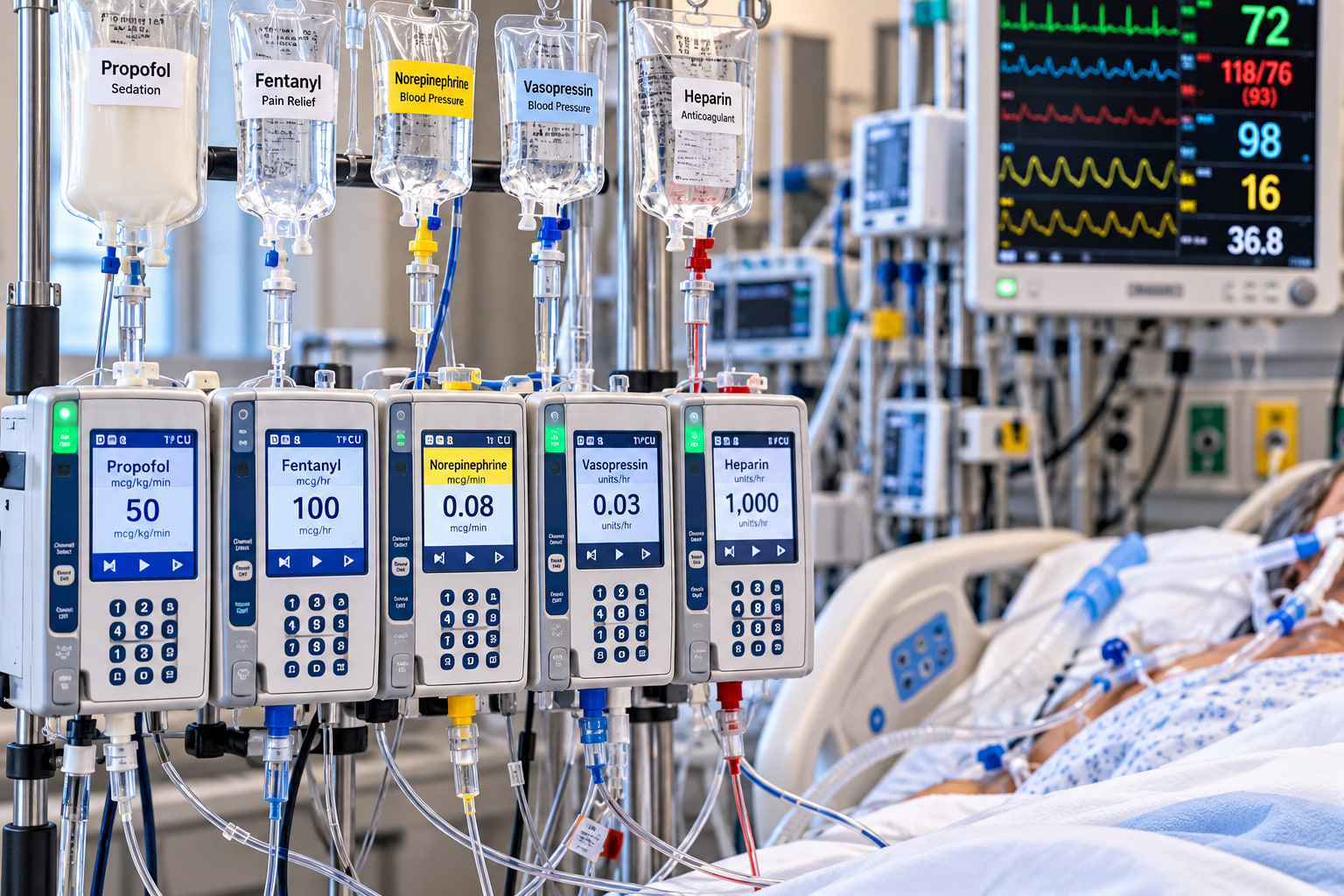 IV pumps & dripsUnderstanding fluids, sedation, pain medicine and blood-pressure supportOpen full guide
 Central venous lineAn IV catheter placed into a large veinOpen full guide
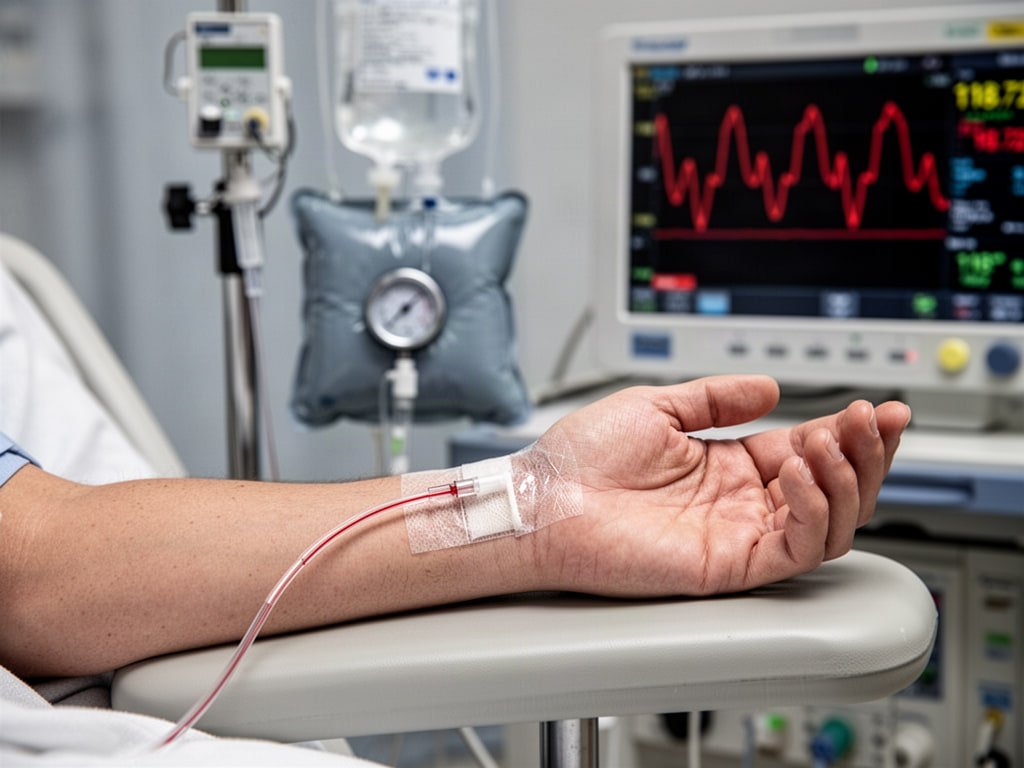 Arterial lineContinuous blood-pressure monitoringOpen full guide
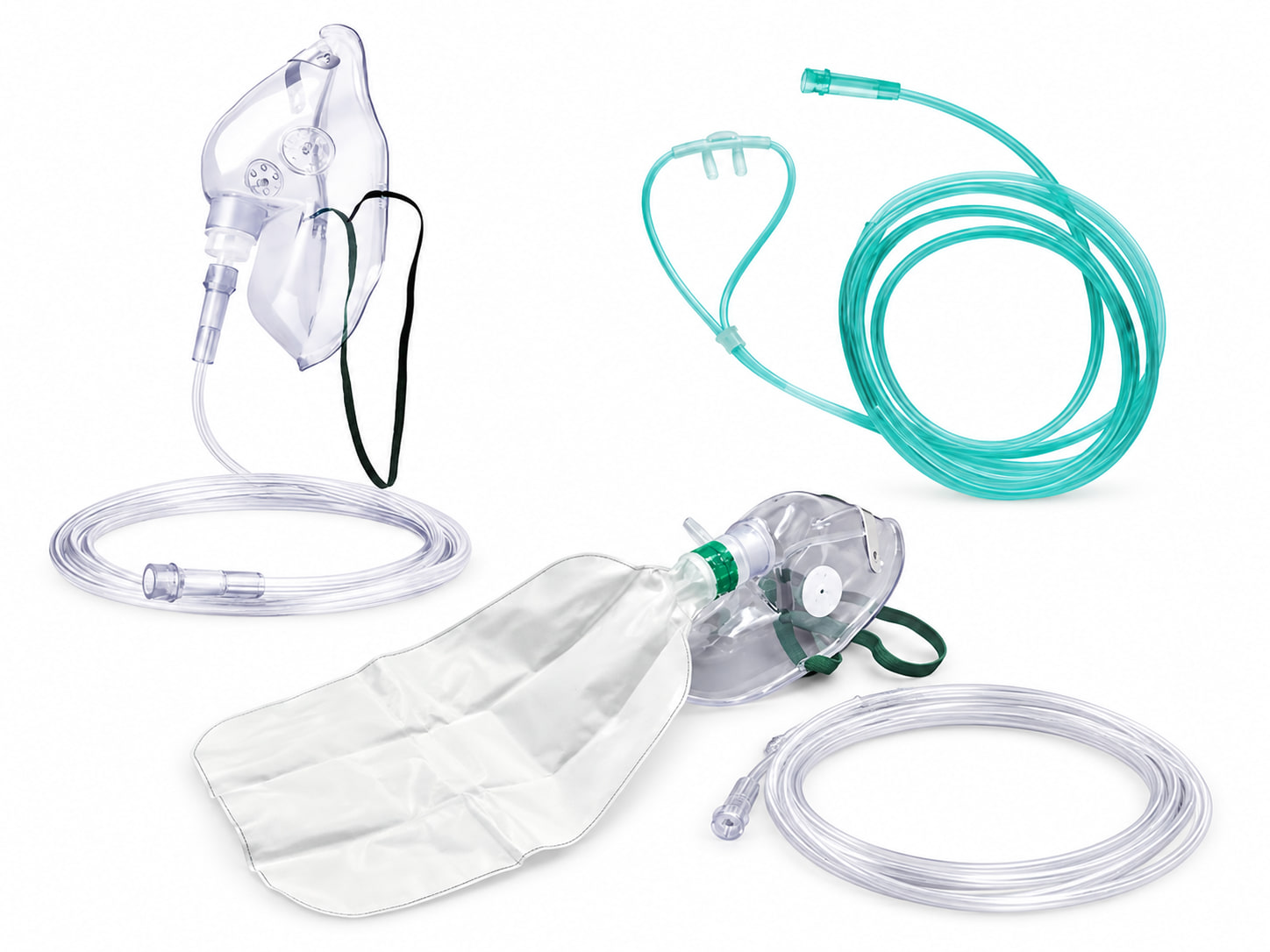 Oxygen masks & nasal cannulasDifferent ways to deliver extra oxygen or noninvasive breathing supportOpen full guide
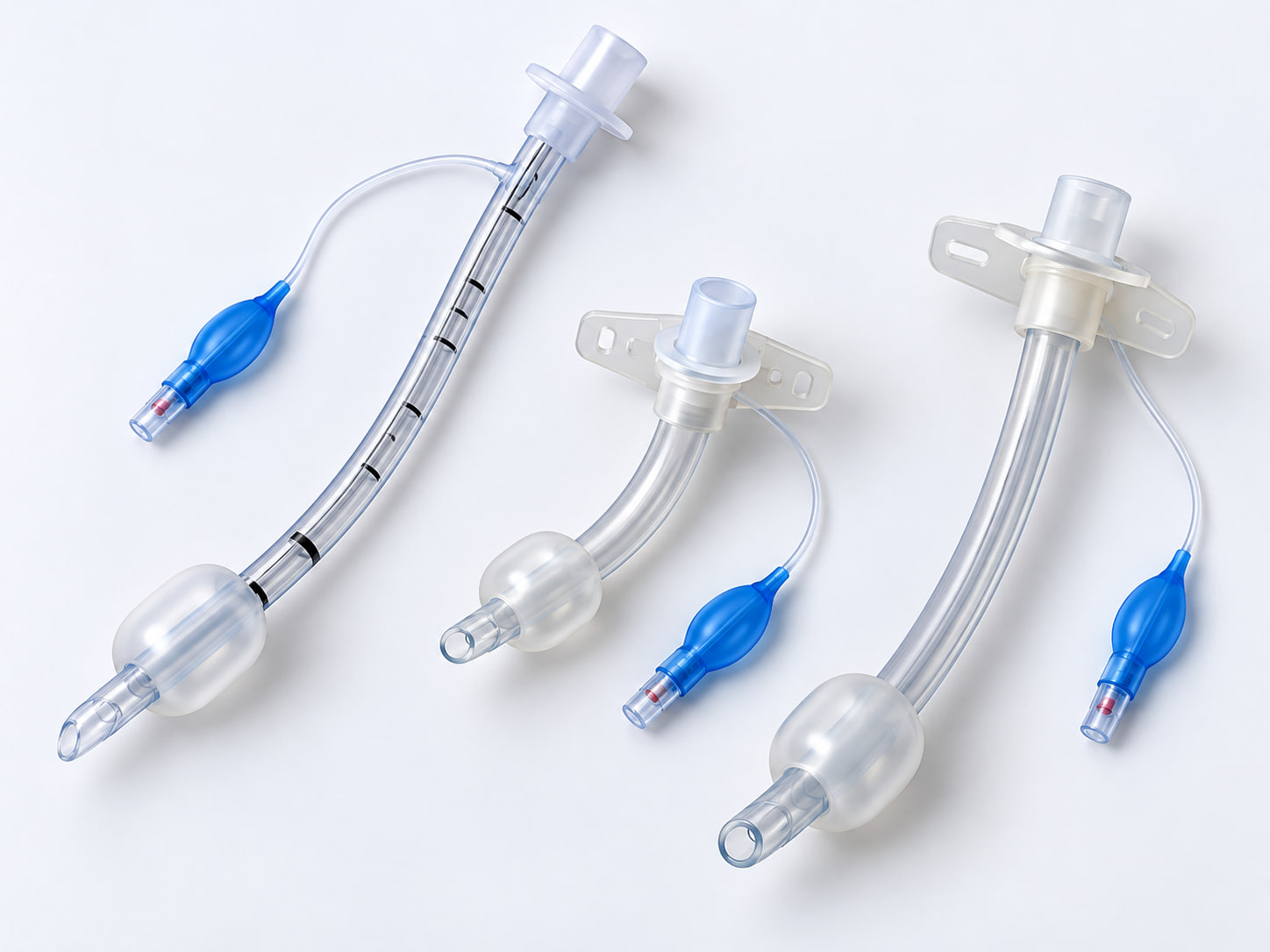 Endotracheal & tracheostomy tubesBreathing tubes placed through the mouth or through an opening in the neckOpen full guide
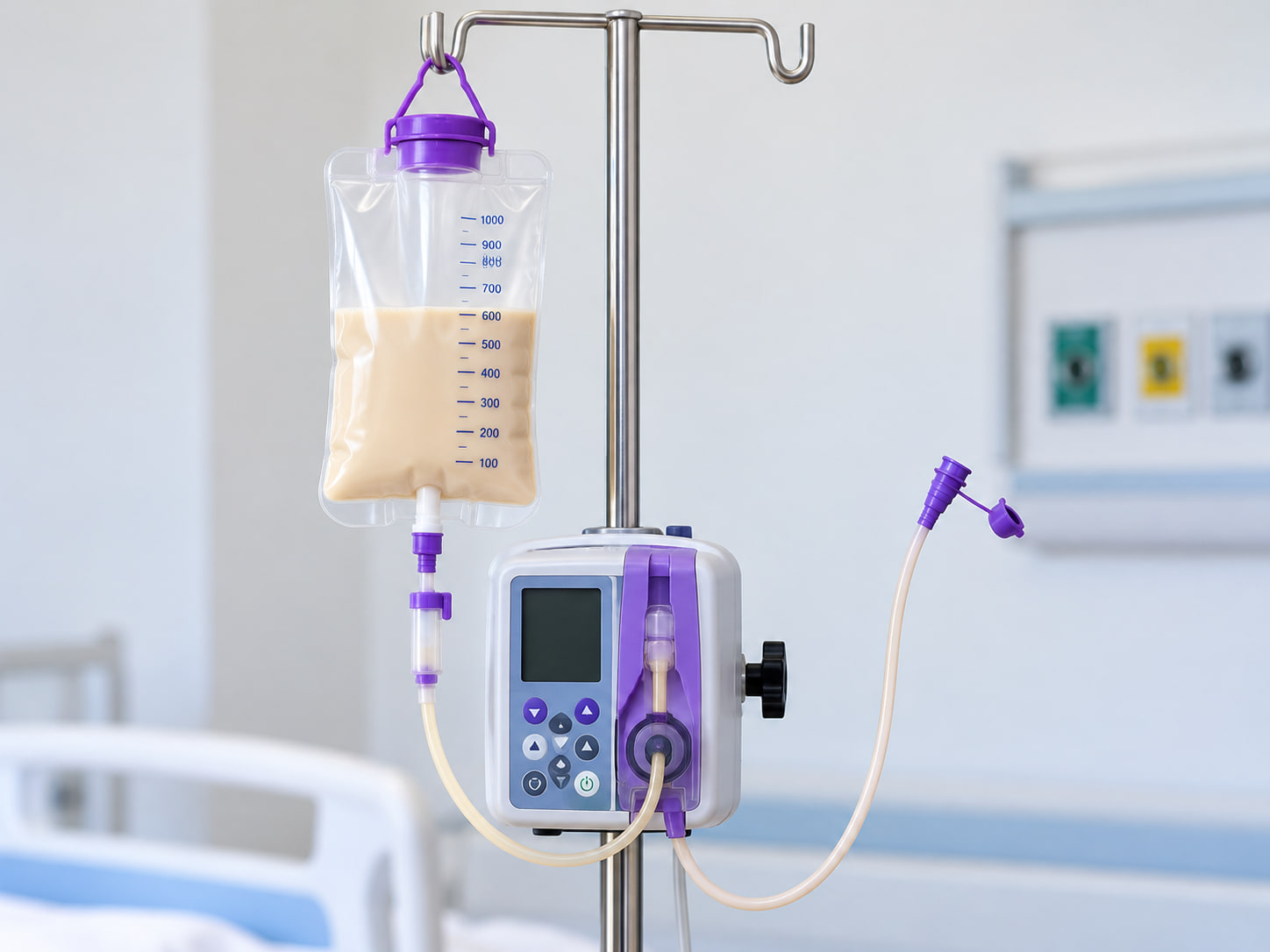 Feeding tubes & nutrition pumpsDelivering nutrition when swallowing or eating isn't safe or sufficientOpen full guide
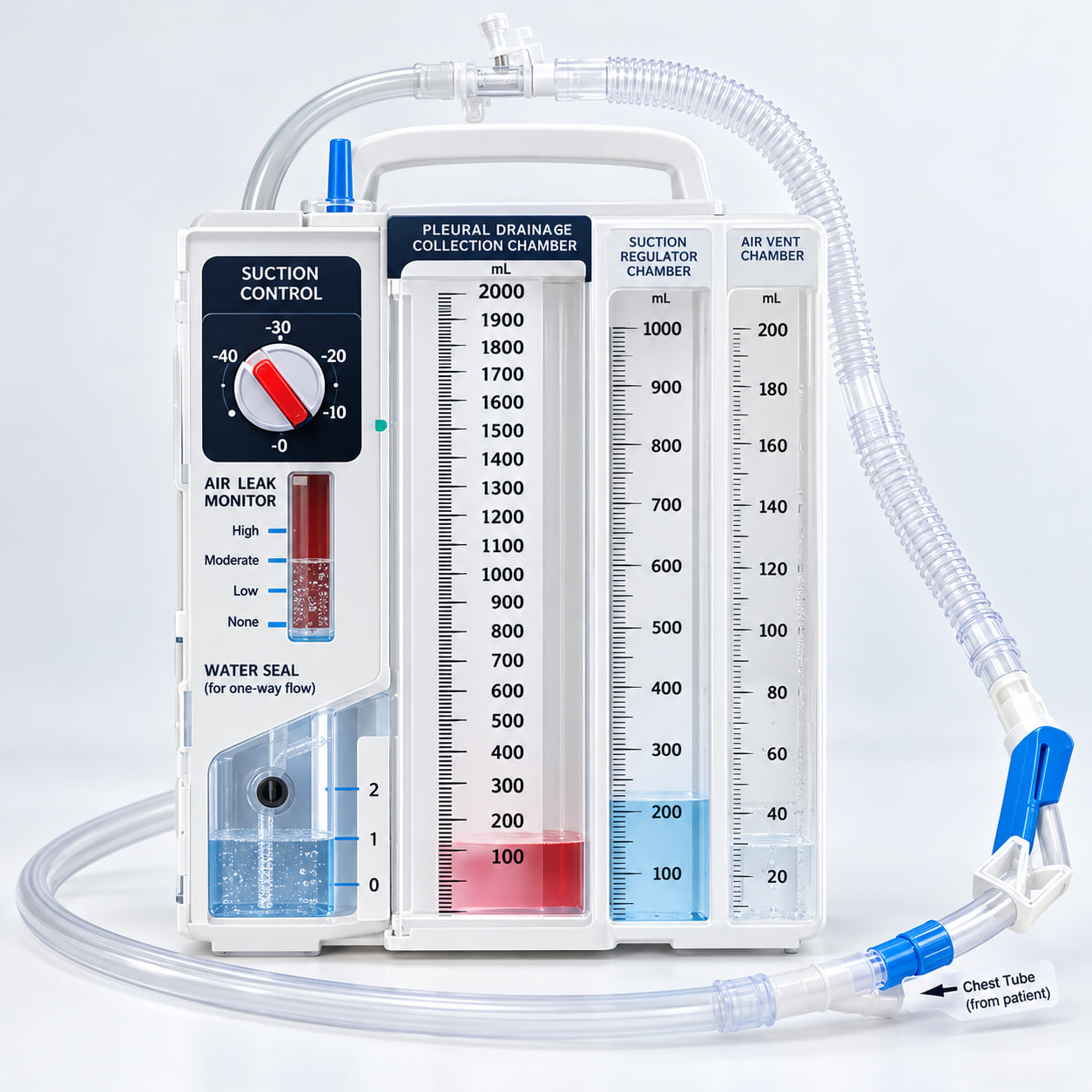 Chest tube & drainage systemDraining air, fluid or blood from around a lungOpen full guide
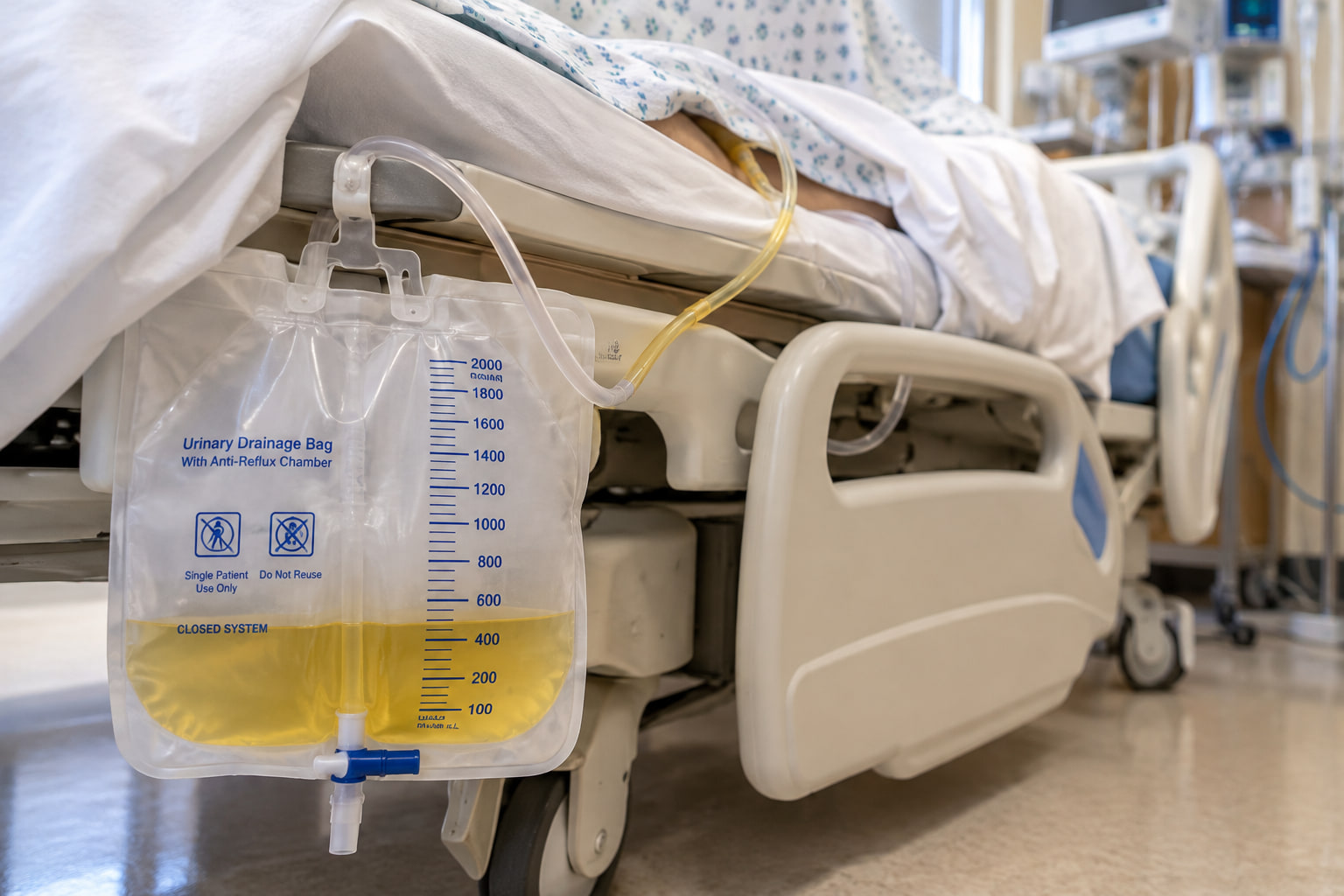 Urinary catheter (Foley)A flexible tube that drains urine into a collection bagOpen full guide
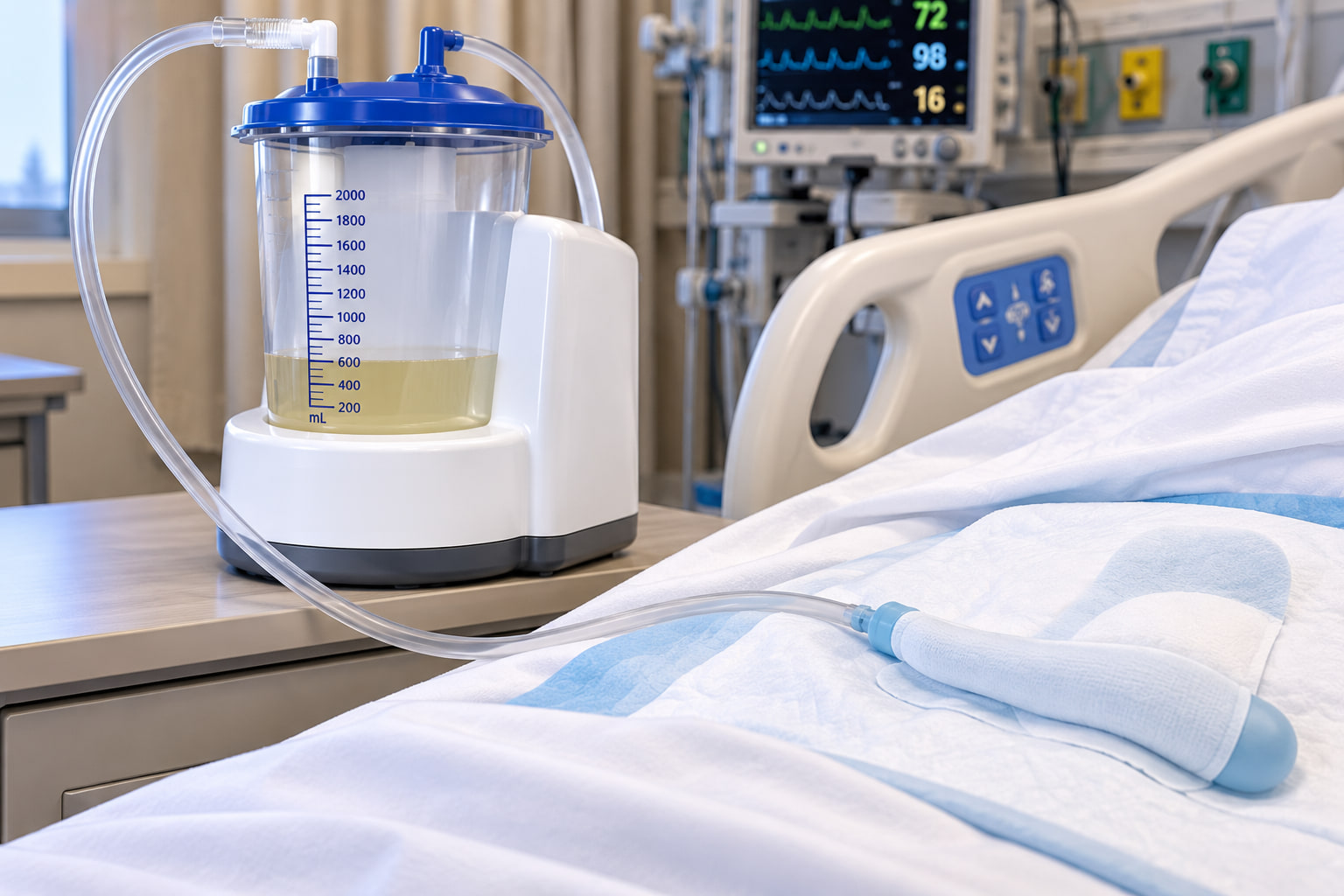 External urine collectionA non-invasive way to collect urine without a tube inside the bladderOpen full guide
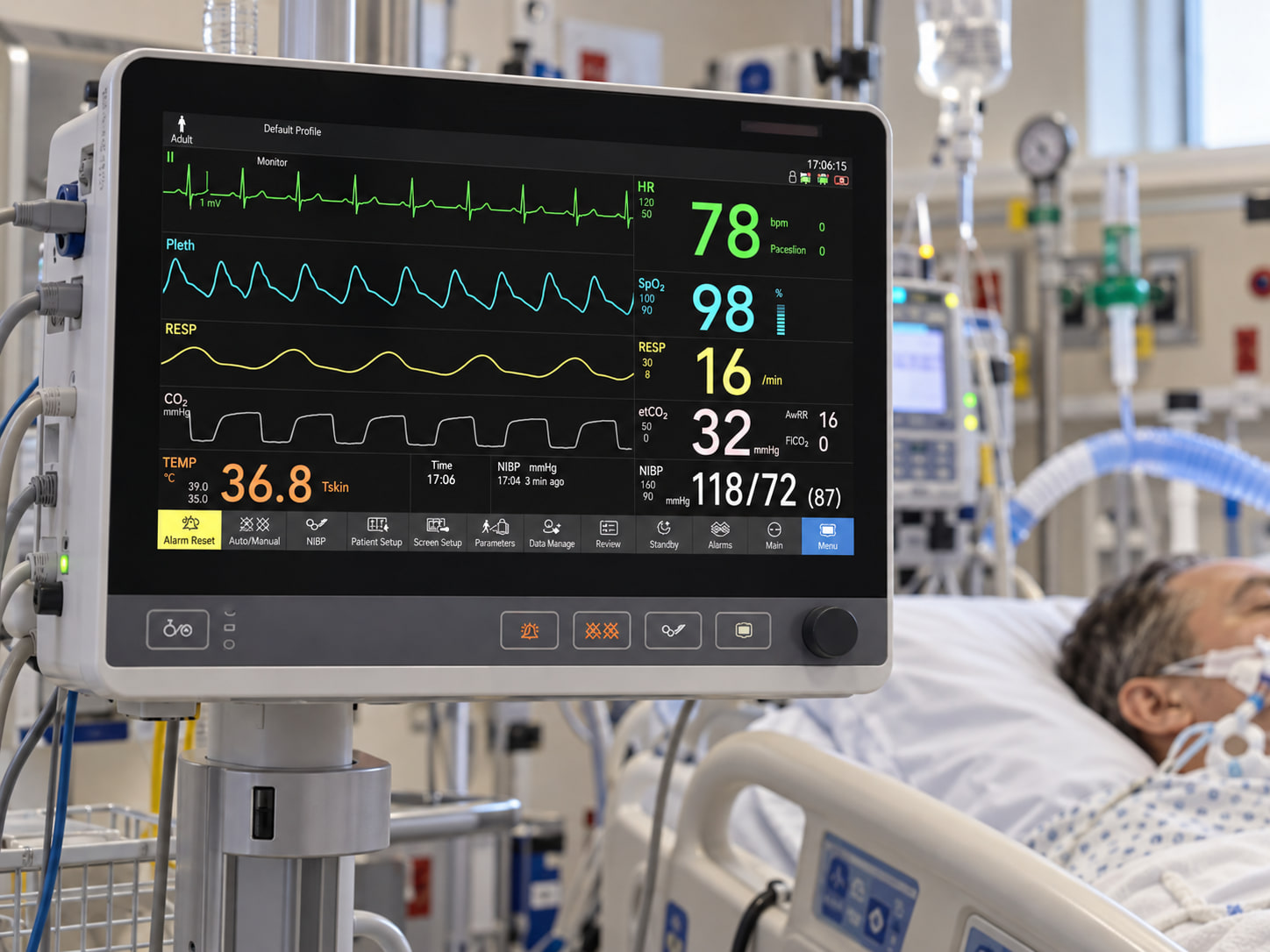 Bedside heart & vital-sign monitorContinuous information about heartbeat, oxygen and moreOpen full guide
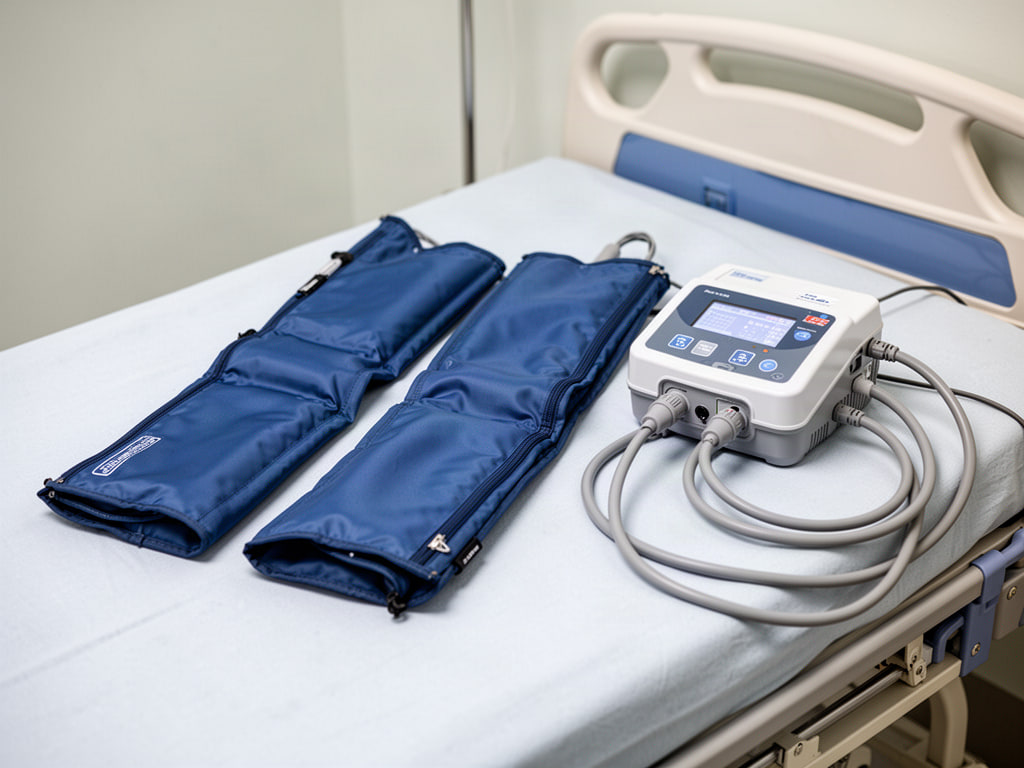 Leg compression sleeves (SCDs)Inflatable sleeves that help prevent leg blood clotsOpen full guide
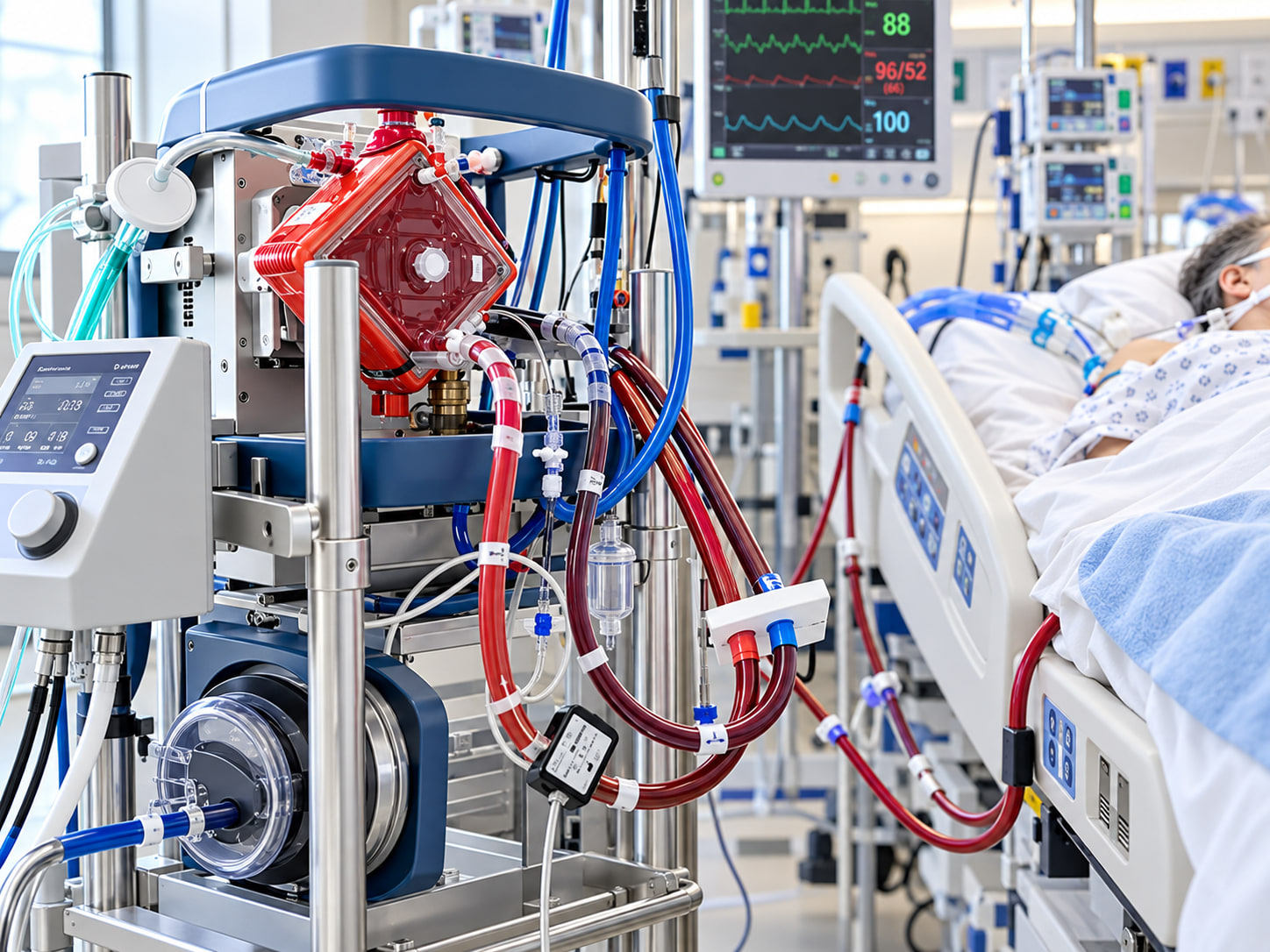 ECMO life-support circuitA machine that helps do the work of the lungs, sometimes the heartOpen full guide
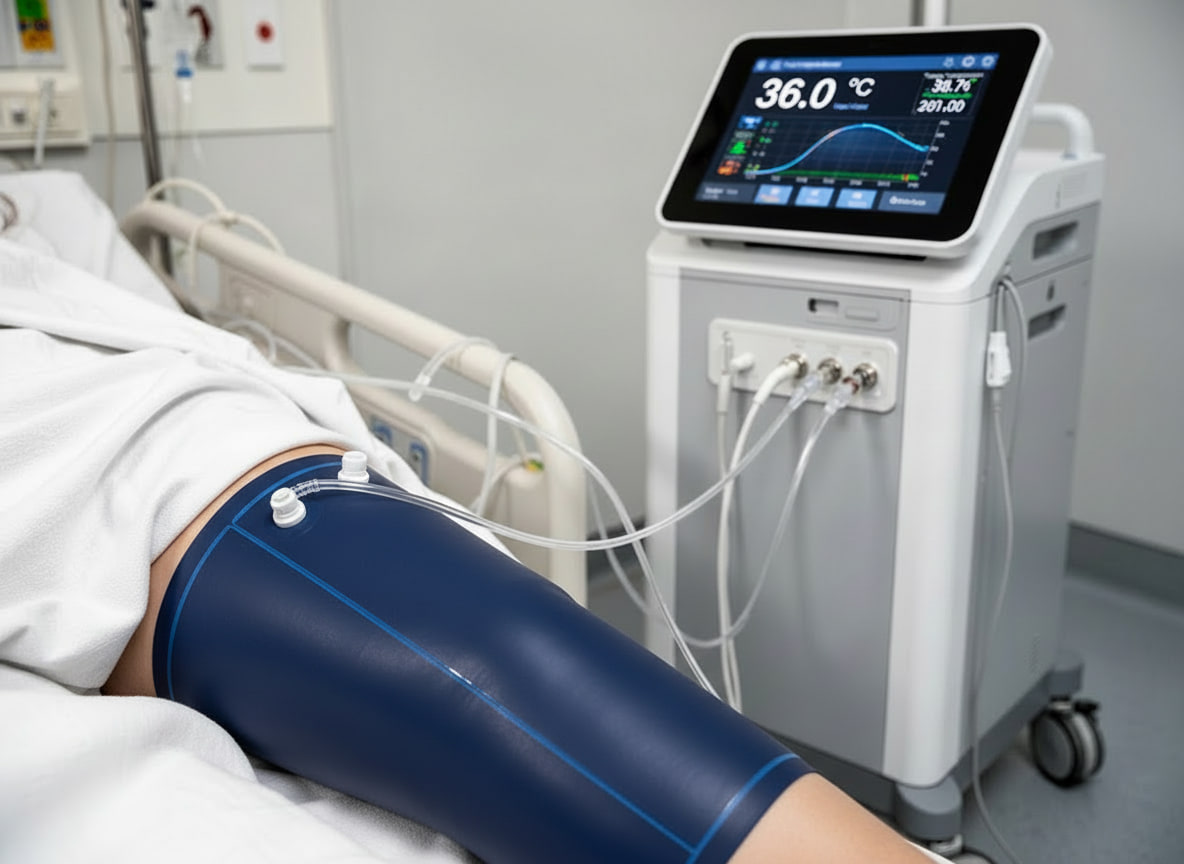 Targeted temperature managementCooling or warming pads that help control core body temperatureOpen full guide
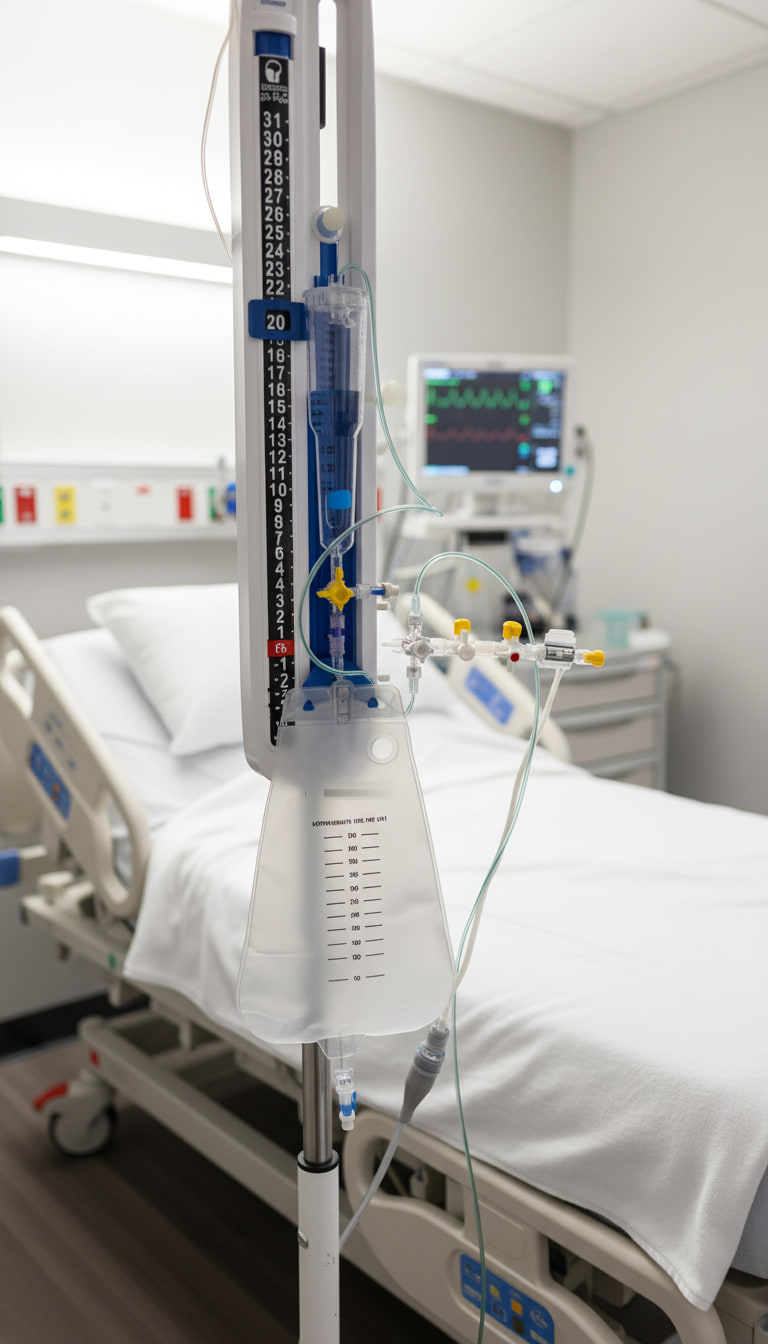 Brain pressure monitoring / EVDA monitor or drain that helps the ICU team protect the brainOpen full guide
 Protective mitts & restraintsSafety devices used when a patient could unintentionally be injuredOpen full guide
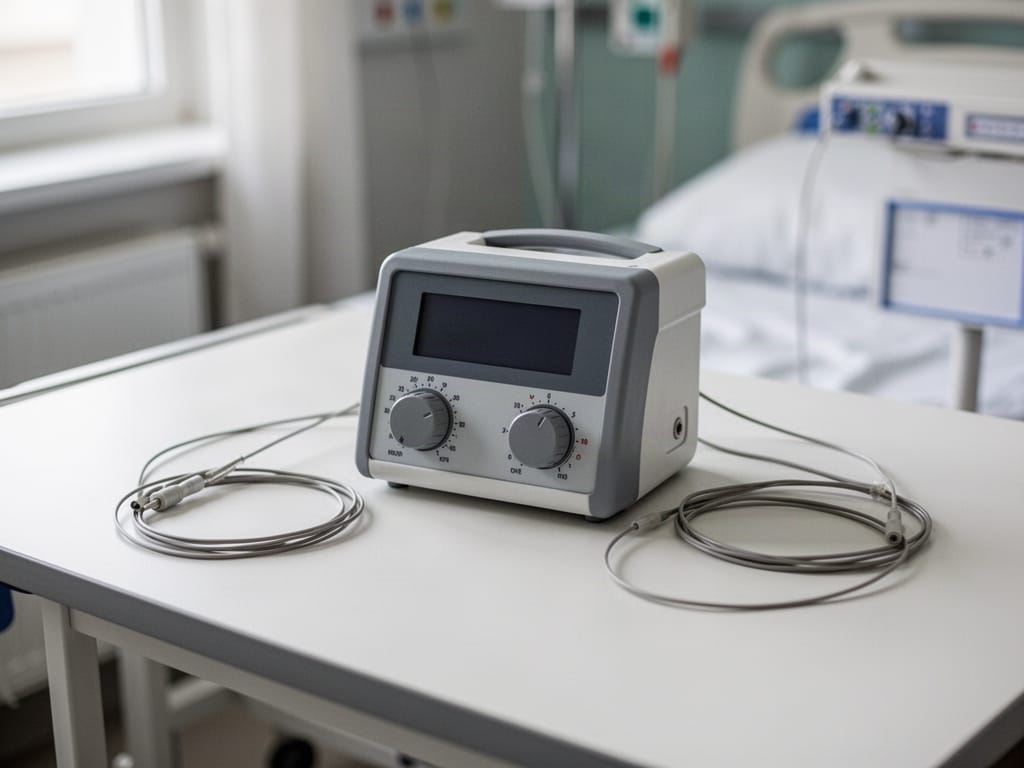 Temporary pacemakerA device that can support the heart when its rhythm is too slowOpen full guide
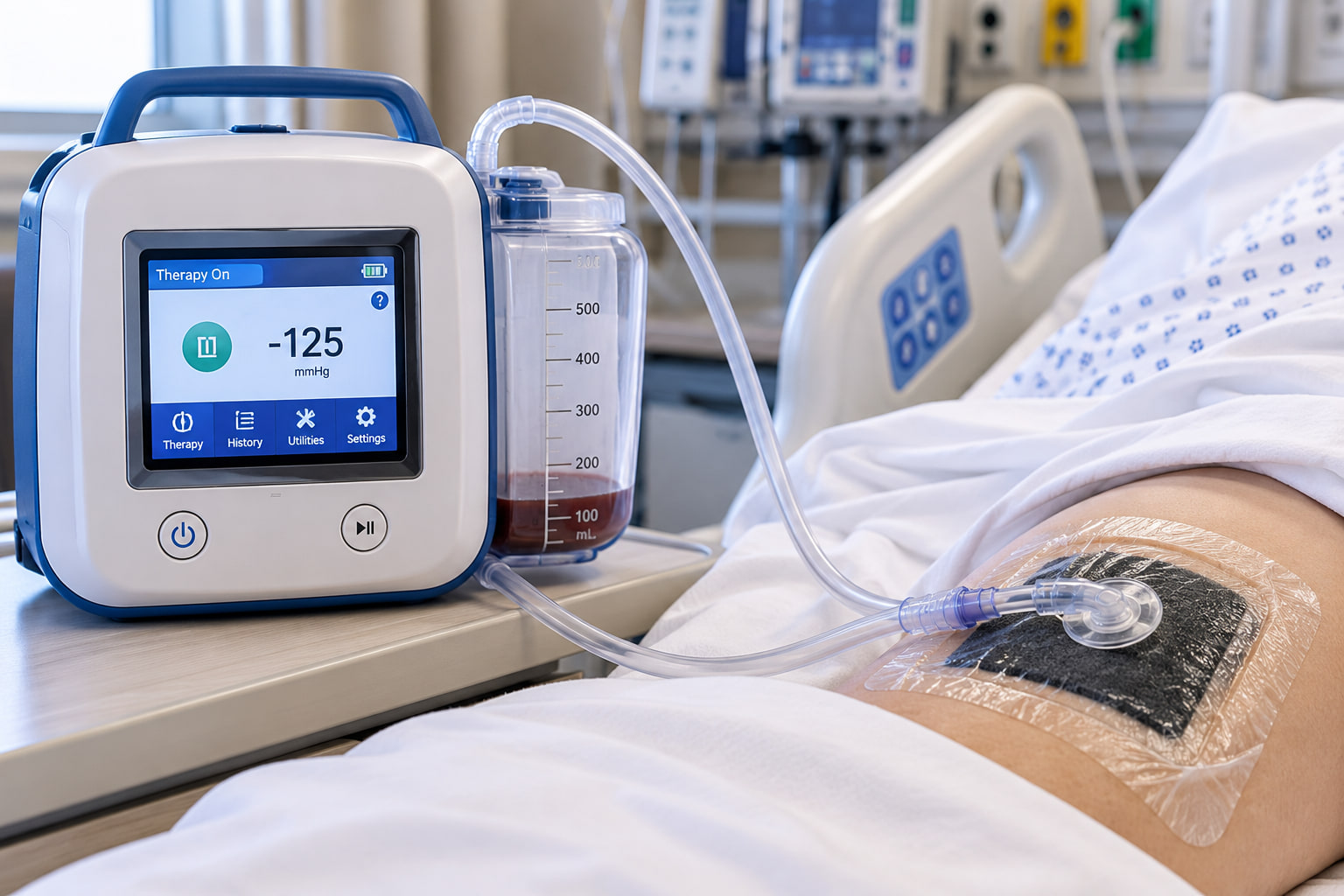 Wound VAC / negative-pressure therapyA sealed dressing and gentle suction system that helps a wound healOpen full guide
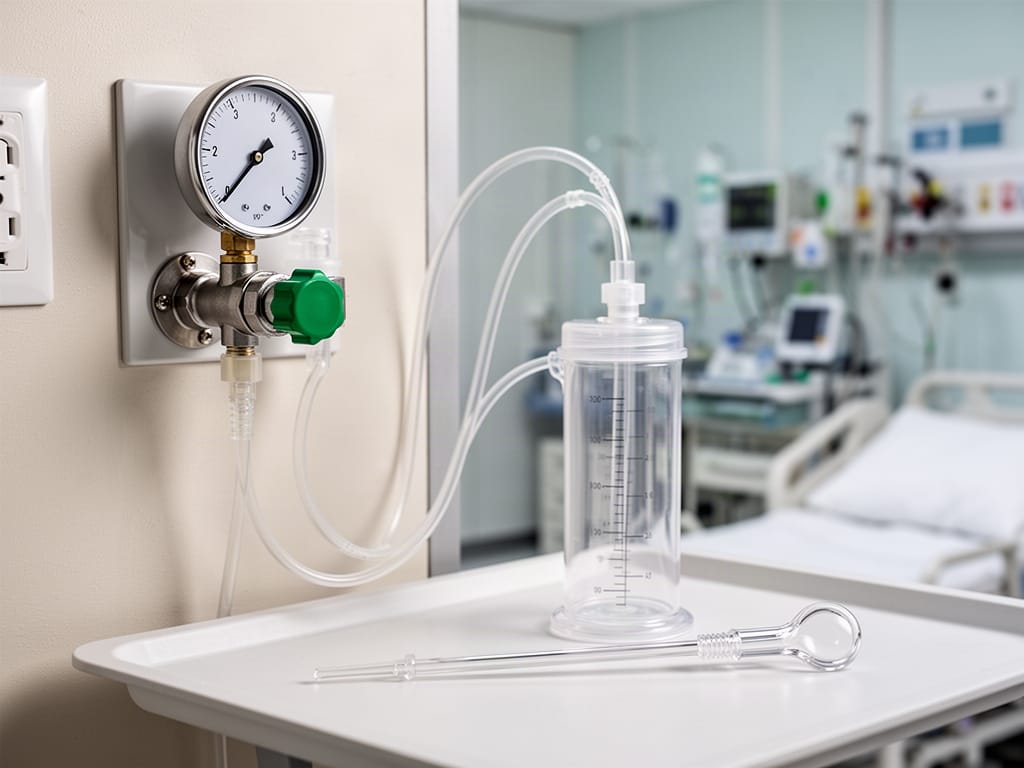 Suction & oral care equipmentEquipment used to clear mucus and fluids from the mouth or airwayOpen full guide
Answers without the overwhelm.
Thoughtfully organized topics to help you have more informed conversations with professionals and people you trust.
Care options
Hospice, palliative care, care settings and comfort-focused treatment.
Tap to explore
Palliative care focuses on quality of life and relief of symptoms and stress during serious illness; it can be provided alongside disease-directed treatment. Hospice generally focuses on comfort when an illness is approaching the end of life. Services, eligibility and insurance benefits vary.
Question to ask: Can palliative care support us now, and how does hospice differ from the care currently being offered?
Rights and documents
Advance directives, healthcare representatives and medical orders.
Tap to explore
Advance directives can record future treatment wishes. A healthcare power of attorney can identify who speaks for someone if they cannot. A DNR is a medical order addressing resuscitation, not a refusal of all care. Document rules differ by state; use the State Legal Navigator below to explore the issues.
Question to ask: Who is authorized to make decisions, and which existing documents should the care team review?
Questions to ask
Help preparing for conversations with the care team.
Tap to explore
Ask clinicians to explain what is happening now, what treatments can realistically accomplish, and what is still uncertain. It is appropriate to request a family meeting, an interpreter, a social worker or a palliative care consultation. Write questions down before the meeting.
Question to ask: What is the most likely course, and what will we do if the current plan is not helping?
What happens afterward
General steps after a death and grief support resources.
Tap to explore
When an expected death happens at home under hospice, follow the hospice team's instructions. If a death is unexpected or no care plan exists, contact the appropriate local emergency services or authorities. A funeral director or local agency can explain death certificates and arrangements; benefits and estate steps can usually wait until urgent needs are addressed.
Question to ask: Who needs to be contacted now, and which arrangements can wait until the family is ready?
State Legal Navigator
Find your state for plain-language explanations of common documents and decisions, plus links to that state's official forms and instructions.
State laws and document requirements vary. This information is educational and does not replace current laws, official instructions, or advice from a qualified legal professional. Full legal and educational disclaimer
Oklahoma: family guide
These explanations apply generally across the United States. Document names, witness and notary rules, decision-maker rules and medical-order programs differ by state and change over time, so use the official links below for Oklahoma's current forms and instructions.
Advance directivesHow to record wishes about future care.
An advance directive can explain preferences for future treatment if someone becomes unable to communicate. The name and signing rules depend on the state.
Who can make decisions?Understanding healthcare agents and surrogates.
A named healthcare agent may be able to make decisions when the person cannot. If no agent is available, state laws and the specific circumstances determine who can speak for the patient. CarePath cannot identify an individual patient's legal decision-maker.
Witnesses and notarizationWhat makes a document properly signed?
Some directives require qualified adult witnesses, a notary, or an alternative between the two. Rules may differ among different documents in the same state.
DNR and medical ordersHow medical orders differ from living wills.
A do-not-resuscitate order addresses CPR if breathing or heartbeat stops. It does not automatically mean stopping all other care. Out-of-hospital orders and state medical-order programs can have different requirements.
Documents across state linesWhen a family lives somewhere else.
The state where care is delivered, where the document was signed, and the type of document can all matter. Ask the treating facility to review the existing document and whether any additional local medical order is needed.
These links open the current forms and instructions for this state. Read them carefully before signing anything.
Oklahoma government: Advance Directive for Health Care (PDF) Oklahoma government: Health Care Power of Attorney (PDF)CarePath provides the same general information and official links for every state. It does not summarize individual state laws and is not legal advice.
Go directly to the source.
CarePath's guides link to public education from government and established nonprofit organizations.
Information, not medical or legal advice.
CarePath provides general education and cannot determine the right treatment, legal decision-maker, or next step for an individual. Speak with your care team or a licensed attorney for your circumstances. For emergencies, contact local emergency services. Do not enter identifiable patient information into CarePath.