Oxygen masks & nasal cannulas
Different ways to deliver extra oxygen or noninvasive breathing support
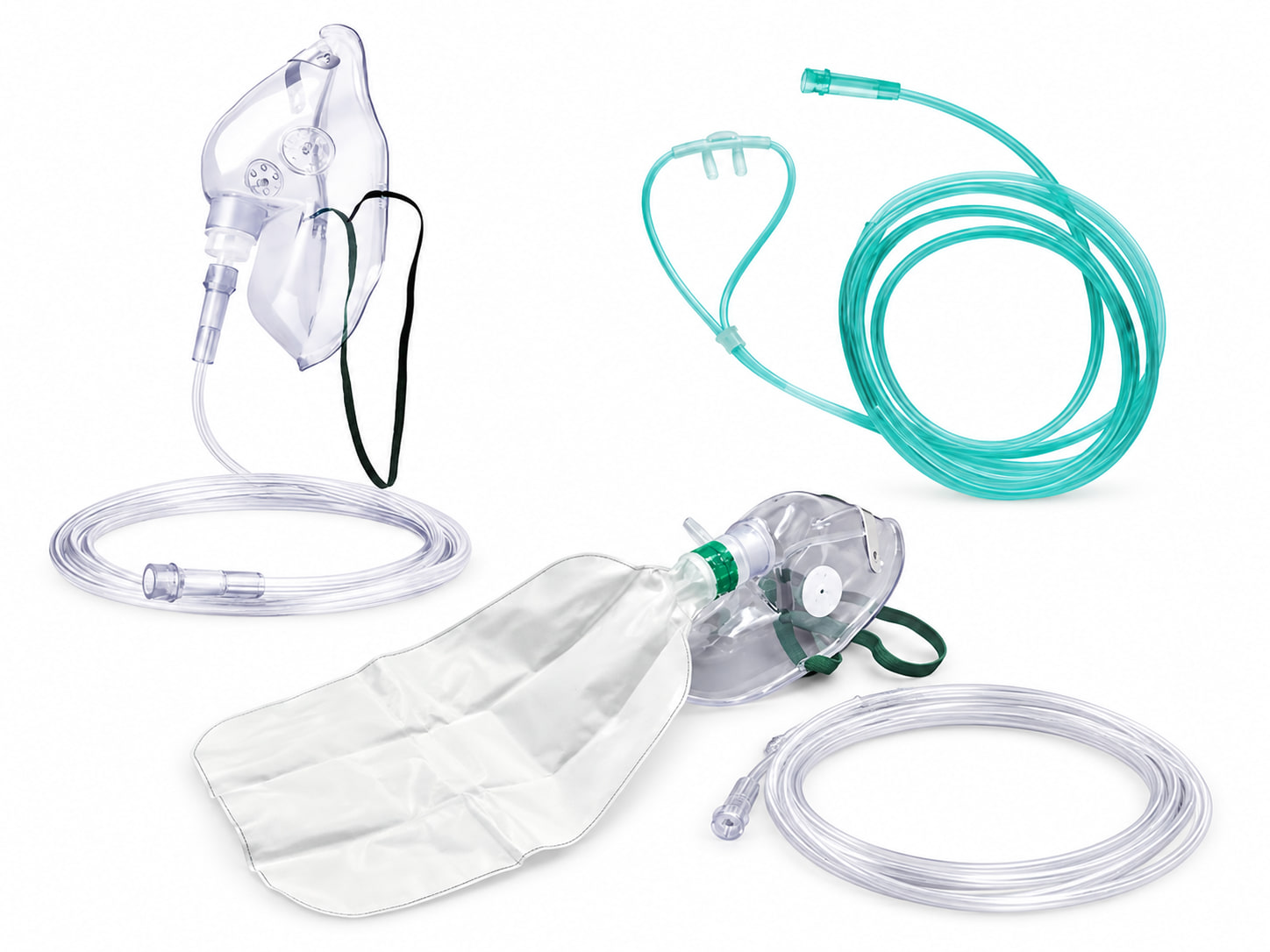
What is it, and what does it do?
Oxygen can be given through small nasal prongs, a simple or reservoir face mask, or heated high-flow nasal cannula. CPAP and BiPAP are different: they deliver pressurized air through a fitted mask to support breathing. The team selects an interface based on oxygen needs, breathing effort and tolerance.
Why might someone need it?
- Extra oxygen is needed because the lungs are not getting enough oxygen into the blood.
- High-flow oxygen is used when a regular nasal cannula is not sufficient.
- CPAP or BiPAP can sometimes support breathing without a tube in the windpipe.
What might families notice?
- Small prongs in the nose, a clear face mask, or a larger fitted breathing mask.
- Tubing attached to a wall oxygen outlet, humidifier, high-flow machine or pressure-support device.
- A change in equipment may happen as oxygen needs improve or worsen.
What does it mean for my loved one?
Not all oxygen masks are ventilators. A change from nasal prongs to a mask may mean more support is needed, but the equipment alone cannot predict recovery. CPAP/BiPAP and high-flow oxygen are different treatments.
What to look for: common versions and parts
Nasal cannula: small prongs and ordinary oxygen tubing.
High-flow nasal cannula: warmed, humidified oxygen delivered at higher flows.
Nonrebreather mask: oxygen mask with a reservoir bag.
CPAP/BiPAP: pressurized breathing support through a fitted mask.
Descriptions are for recognition only. They do not identify or verify a particular patient's equipment.
For safety at the bedside
Do not change oxygen flow, remove a fitted pressure mask, or adjust tubing. Tell staff if the person seems distressed or an alarm sounds.
Questions you can ask the ICU team
- What type of oxygen or breathing support is this?
- Is the goal mainly to improve oxygen levels, breathing effort, or both?
- What signs would allow the team to reduce the support?
- If the current support is not enough, what options are being considered?
Written from patient-education references. Content and images clinically reviewed by an advanced practice nurse, October 2026. Educational content may be updated as guidance changes.
NHLBI: Treating respiratory failureCarePath provides general educational information and does not replace advice or decisions from your healthcare team. Legal & Educational Disclaimer
General education only. Equipment, medications, alarms and care plans differ from patient to patient. Never adjust or disconnect equipment. The treating team can explain the specific situation.